

Technology works best when it disappears into the flow of work. When identifying scams via SMS, WhatsApp and email, this means looking less at the promise of the moment and more at what happens in practice: who uses it, how often, in what environment and with what risk. For anyone who receives billing, promotions and alerts via message, a well-made decision avoids rework, reduces digital anxiety and increases the chance of the tool remaining useful after the initial excitement.
In practice, the issue appears in situations such as shortened links, sense of urgency, domain errors, exaggerated promises and code requests. These are common uses, but each requires a different combination of speed, quality, privacy and ease. The safest recommendation is to avoid choices based solely on ranking, advertising or isolated recommendations. What works for one routine may be excess for another. Therefore, HTechBD's editorial approach favors verifiable criteria: clarity of purpose, consistency, acceptable risk and simple maintenance.
Signs that deserve attention
Blows exploit haste. Messages that threaten blocking, fines, missed deliveries or expiring benefits deserve a pause before clicking. When it comes to identifying scams via SMS, WhatsApp and email, it is worth transforming the assessment into concrete questions: what needs to happen every day, who depends on the result, what data goes into the process and what would be the cost of a failure? This approach reduces impulse decisions and shows whether the chosen solution solves the entire task or just the most visible part of it.
The first step is to write the problem in a short sentence. For anyone who receives charges, promotions and alerts via message, this phrase prevents dispersion. Instead of looking for a ‘complete’ tool, look for a solution that handles the main scenario well: shortened links, sense of urgency, domain errors, overpromises, and code requests. Then, look for hidden dependencies like required account, unstable sync, broad permissions, or disproportionate learning curve. The real usefulness usually appears in the less flashy details.
How to confirm before acting
The link domain matters more than the appearance of the message. Criminals easily copy logos, but are unable to use the legitimate domain without suspicious variations. When it comes to identifying scams via SMS, WhatsApp and email, it is worth transforming the assessment into concrete questions: what needs to happen every day, who depends on the result, what data goes into the process and what would be the cost of a failure? This approach reduces impulse decisions and shows whether the chosen solution solves the entire task or just the most visible part of it.
Practical criterion
A good test lasts a few days and uses real cases, not perfect examples. If the solution only looks good when everything is organized, it may not support the routine. Test with incomplete file, bad connection, rush, interruptions and need to go back. When identifying scams via SMS, WhatsApp and email, the ability to correct errors, export data and explain what happened weighs as much as the list of resources published on the home page.
The role of urgency
Never enter a code received via SMS or app. In many scams, this code is the key to taking over the account. When it comes to identifying scams via SMS, WhatsApp and email, it is worth transforming the assessment into concrete questions: what needs to happen every day, who depends on the result, what data goes into the process and what would be the cost of a failure? This approach reduces impulse decisions and shows whether the chosen solution solves the entire task or just the most visible part of it.
Another point is to set limits. Not everything needs to be automated, installed, purchased or configured. Often, a clear manual procedure is better than a poorly maintained complex tool. Use technology where there is repetition, risk of forgetting or need for standardization. Keep sensitive decisions under human review, especially when they involve personal data, money, reputation or communication with others.
What to never share
Blows exploit haste. Messages that threaten blocking, fines, missed deliveries or expiring benefits deserve a pause before clicking. When it comes to identifying scams via SMS, WhatsApp and email, it is worth transforming the assessment into concrete questions: what needs to happen every day, who depends on the result, what data goes into the process and what would be the cost of a failure? This approach reduces impulse decisions and shows whether the chosen solution solves the entire task or just the most visible part of it.
Warning sign
Warning signs often appear early: absolute promises, lack of documentation, difficulty canceling, excessive permissions, vague language about privacy, or dependence on a single vendor. This does not mean rejecting all new things. It means creating a pause before handing over important data, time or processes to something that has not yet demonstrated sufficient stability for its use.
Prevention routine
The link domain matters more than the appearance of the message. Criminals easily copy logos, but are unable to use the legitimate domain without suspicious variations. When it comes to identifying scams via SMS, WhatsApp and email, it is worth transforming the assessment into concrete questions: what needs to happen every day, who depends on the result, what data goes into the process and what would be the cost of a failure? This approach reduces impulse decisions and shows whether the chosen solution solves the entire task or just the most visible part of it.
To maintain the result, create a simple review. Ask monthly if the tool continues to solve the problem, if there are duplicate steps and if someone has become dependent on a process that no one understands. When identifying scams via SMS, WhatsApp and email, light maintenance is part of the solution. Without this, even the most promising technology becomes a digital drawer full of forgotten settings.
Quick checklist before deciding
- Define the main problem before choosing the tool.
- Test with a real case linked to shortened links, sense of urgency, domain errors, exaggerated promises and code requests.
- Check privacy, permissions, export and support.
- Compare the time saved with the maintenance effort.
- Review the decision after a few days of use, not just upon installation.
This checklist seems simple, but it avoids a common pitfall: confusing a feeling of progress with concrete improvement. For anyone who receives billing, promotions and alerts via message, the best indicator is to see less rework, less doubt and more predictability. If technology requires constant explanations, creates unnecessary dependence or forces the user to change their entire routine without proportional benefit, it deserves to be rethought. Mature adoption is incremental and reversible.
Useful technology doesn't need to dominate routine. It needs to solve an identifiable problem, function predictably, and allow for adjustments when the context changes. In identifying scams via SMS, WhatsApp and email, this vision avoids impulsive purchases, unnecessary installations and difficult-to-maintain processes. The ideal result is less effort to do better, not more work to manage tools.
Continue lendo
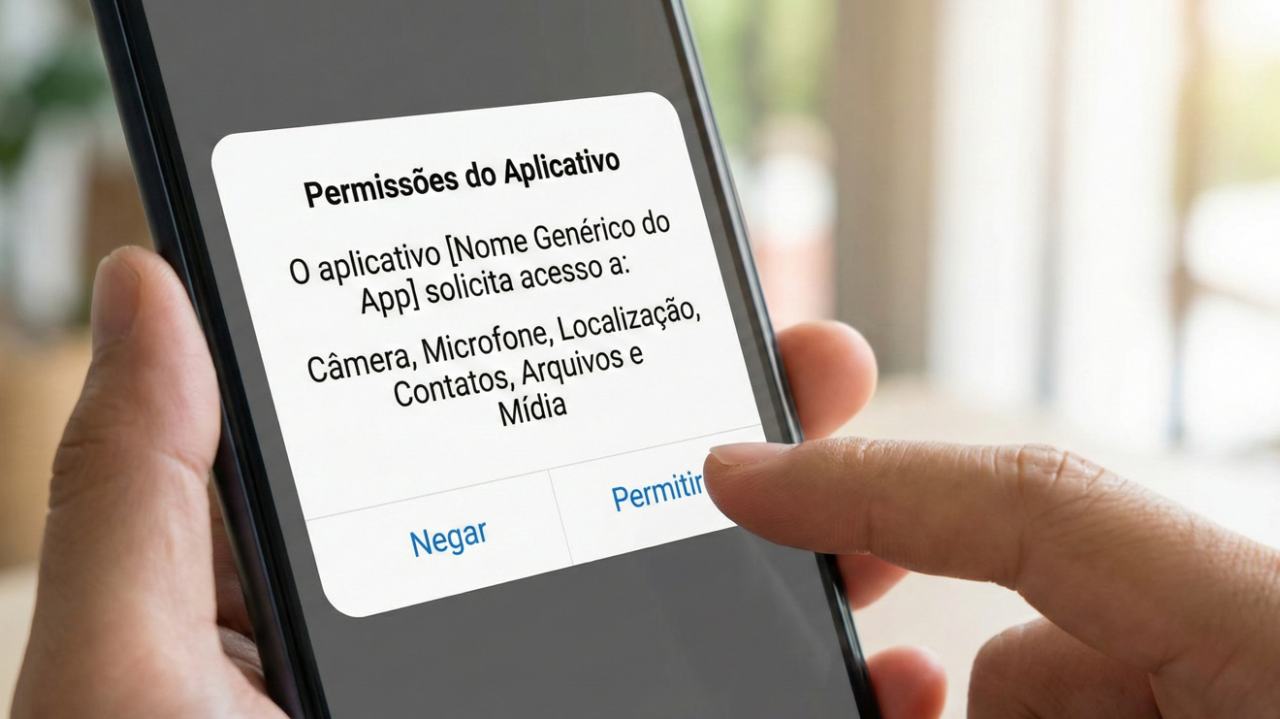
Privacy on cell phones: permissions that deserve review before causing problems
Guia editorial do HTechBD sobre revisão de permissões de aplicativos, com critérios práticos, cuidados, exemplos de uso e…
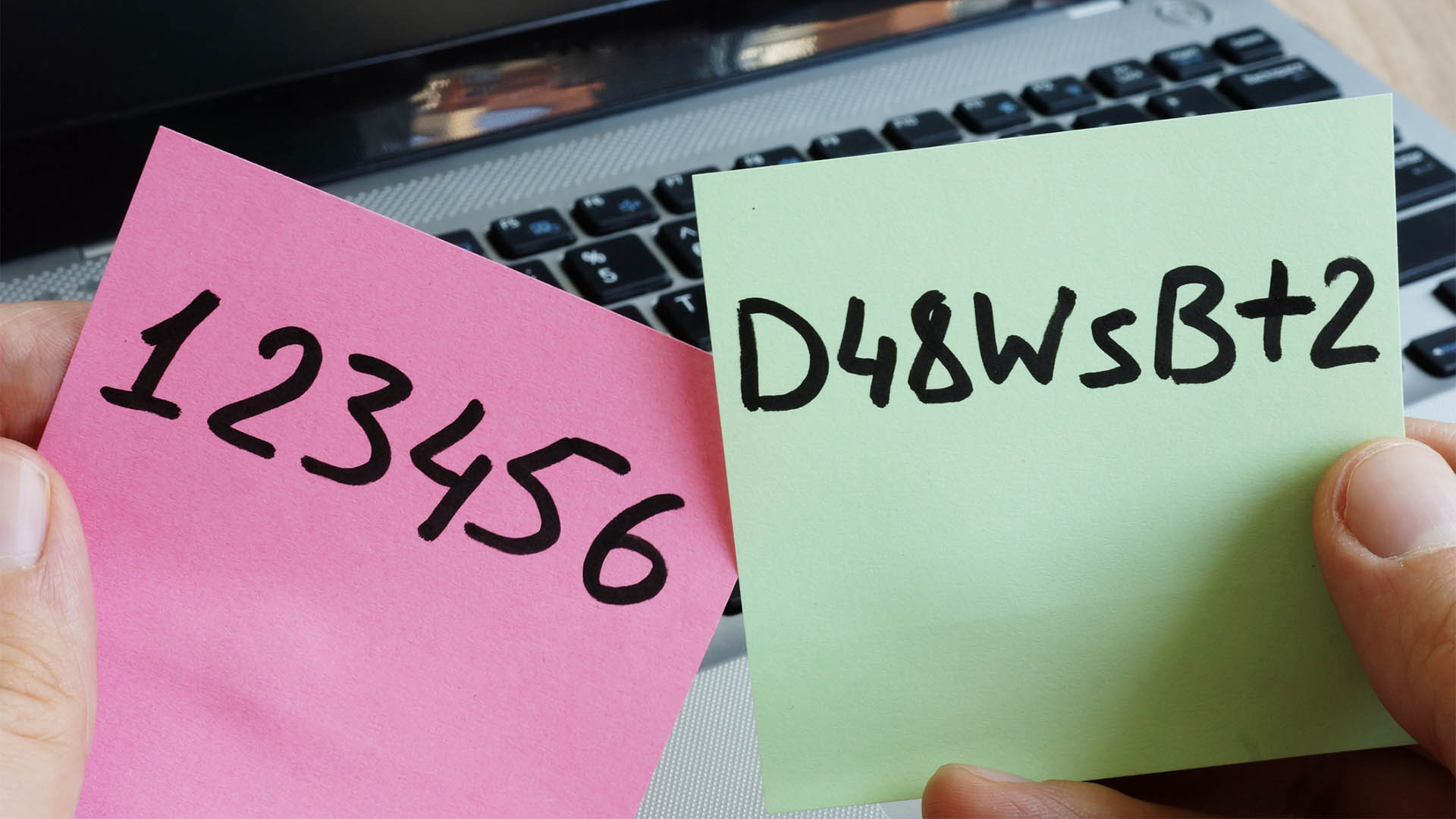
Strong passwords in 2026: less creativity, more method
Guia editorial do HTechBD sobre criação e gestão de senhas, com critérios práticos, cuidados, exemplos de uso e…

VPN in everyday life: useful protection, real limitations and common exaggerations
Guia editorial do HTechBD sobre uso realista de VPN, com critérios práticos, cuidados, exemplos de uso e recomendações…