

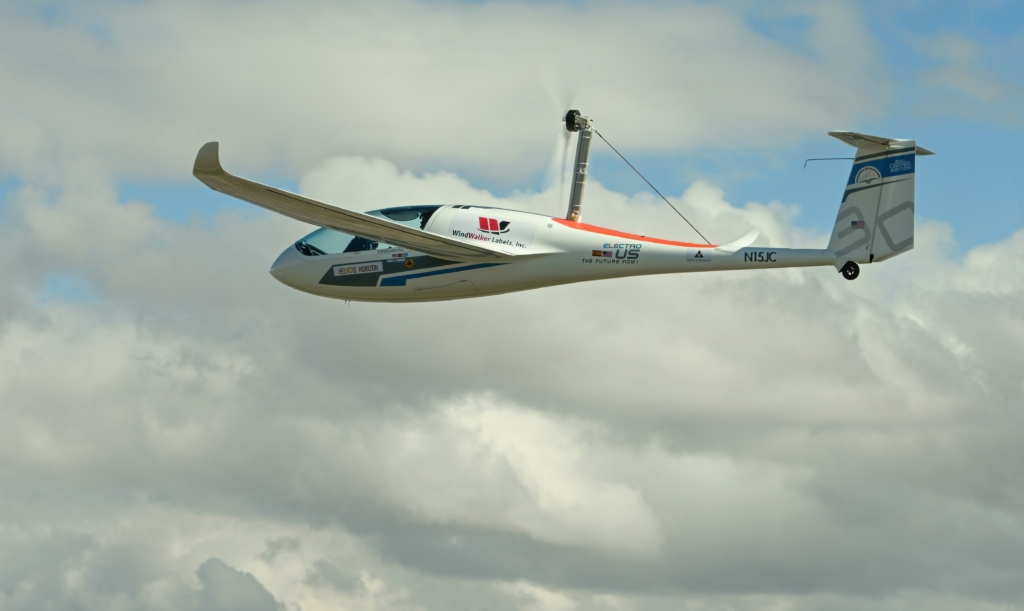
A small experimental plane in the United States has just taken an important step towards electric aviation. Helios Horizon claims to have carried out the first manned flight of an electric aircraft powered by solid-state batteries, a technology seen as one of the biggest bets for increasing autonomy, reducing recharging times and improving the safety of electric vehicles — including in the air.
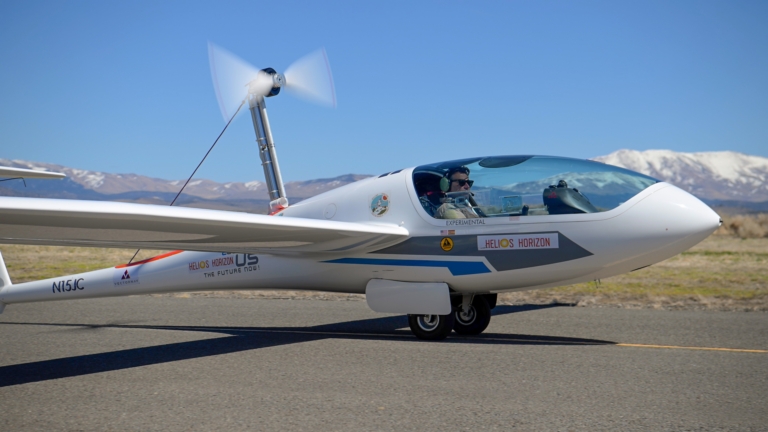
The flight took place at Zephyrhills Municipal Airport, Florida, with test pilot Miguel Iturmendi in command. The aircraft used is based on a Pipistrel Taurus, a motorglider that was deeply modified to serve as a test platform. The objective was not to break distance records, but to validate the weight, balance and performance of the new energy storage system in real flight.
Why does this matter
Electric aviation faces a simple and brutal obstacle: weight. Electric motors are efficient, quiet and mechanically simpler than combustion engines, but batteries still store much less energy per kilogram than liquid fuels. On planes, every extra pound reduces range, payload or safety margin.
That's where solid-state batteries come in. Unlike traditional lithium-ion batteries, which use liquid electrolyte, solid-state batteries use solid materials for part or all of the electrolyte. This can increase energy density and reduce risks associated with overheating and fire.
In the case of Helios Horizon, the numerical leap is relevant: the previous lithium-ion system delivered around 260 Wh/kg, while new solid-state cells reach approximately 410 Wh/kg. The company also claims that the cells can go from almost empty to 80% charged in less than 15 minutes.
The plane also recovers energy in flight
Another curious detail is that the Helios Horizon does not just depend on the battery. The aircraft also uses solar panels on the wings and can recover energy during descents, letting the propeller spin like a small turbine. It is a type of “regenerative braking” adapted to flight: when the engine does not need to push the plane, part of the energy from the air flow can return to the system.
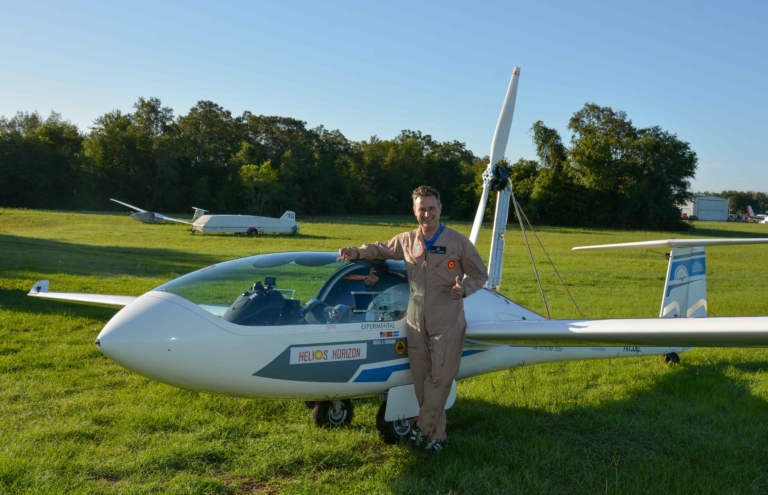
The team had already taken the aircraft to 24,000 feet in previous flights and is now targeting flights above 40,000 feet, entering the lower stratosphere region.
It's not a commercial plane yet
Despite the strong headline, this is not the immediate start of long-haul commercial electric flights. The Helios Horizon aircraft is an experimental platform, made to test technologies. Certification, industrial scale, cost of batteries and reliability in commercial operation are still major barriers.
Still, the test is important because it takes the solid-state battery out of the laboratory and into a much more demanding scenario: a manned aircraft. For electric aviation, this is already a step change.
Continue lendo

4.4 mm surgical robot works like a “Swiss army knife” inside the body
Cientistas da NTU Singapore criaram um robô cirúrgico de 4,4 mm capaz de se mover, cortar tecido, liberar…
This 'beginner' electric motorcycle costs $38,000, and the bill is difficult to pay
A Novus One quer misturar bicicleta elétrica, scooter e moto leve em um único veículo urbano. O problema…
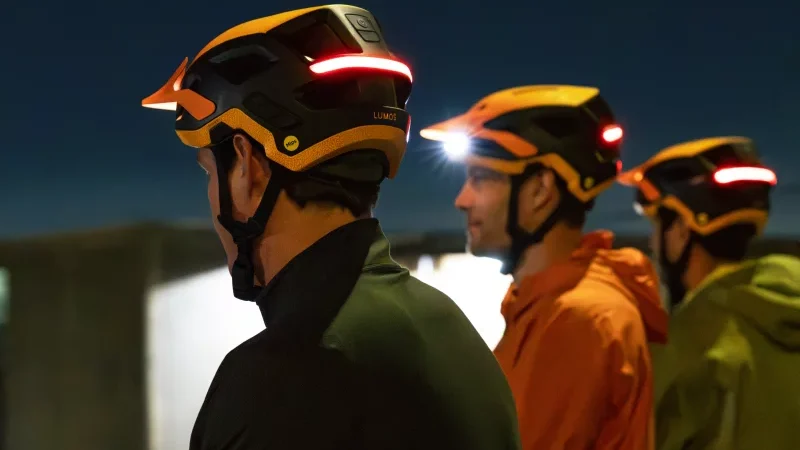
Lightweight mesh intercom helmet connects up to 15 riders at once
Lumos is a company known for designing bicycle helmets with integrated lighting systems. Its previous models focused primarily on visibility…