

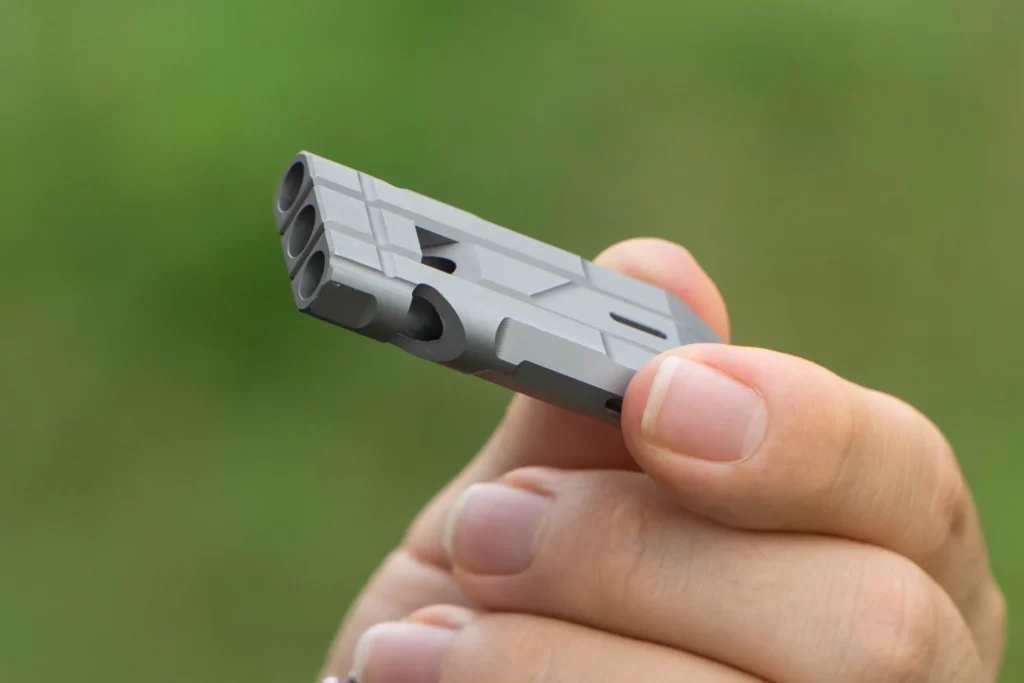
The search for more efficient safety devices for outdoor activities led Eck Design to develop the TriReso. This modular sound signaling system was designed to overcome the limitations of traditional whistles, offering versatility and differentiated acoustics in risky situations.
Innovation matters because, in emergency scenarios, the clarity of the signal emitted is vital for rescue. By combining three independent modules, the device seeks to ensure that sound is heard even in extreme environmental conditions, such as strong winds or places with intense noise.
A design designed for sound efficiency
The central concept of emergency whistle It is based on the emission of multiple simultaneous frequencies. Unlike a common whistle, which emits a single dominant tone, the system generates a complex resonance that resembles a siren, making it easier for search teams to identify the origin of the sound.
The device operates in a range ranging from 3,600 Hz to 4,800 Hz, reaching levels of up to 120 dB. This sound configuration allows the signal to stand out in noisy environments, such as areas near heavy machinery or water currents, where conventional devices could easily be ignored.
Modular architecture and versatility
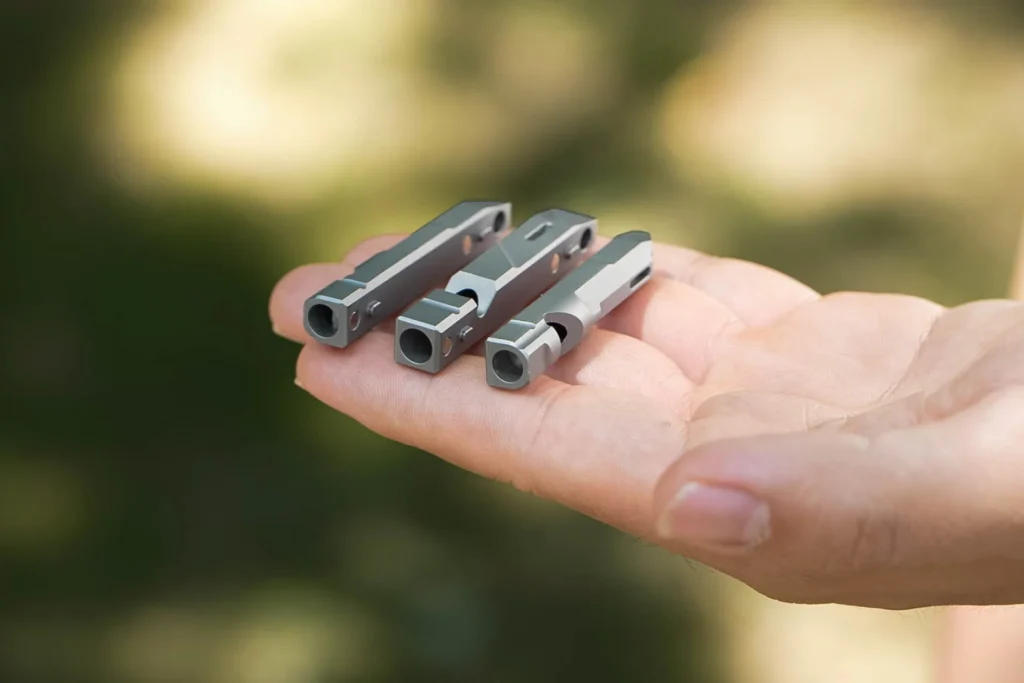
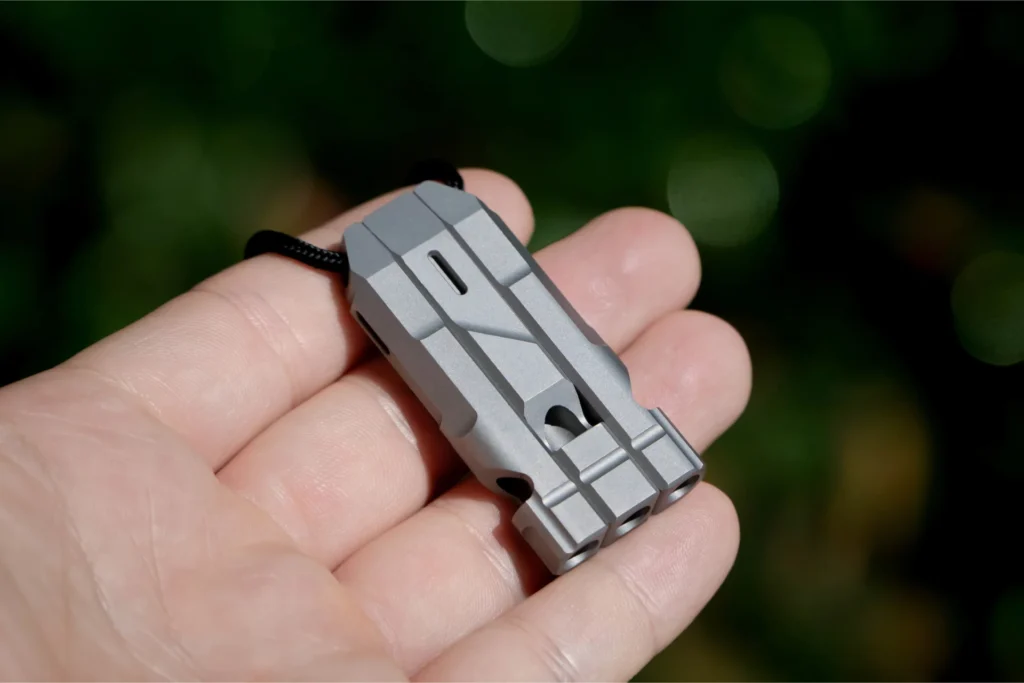
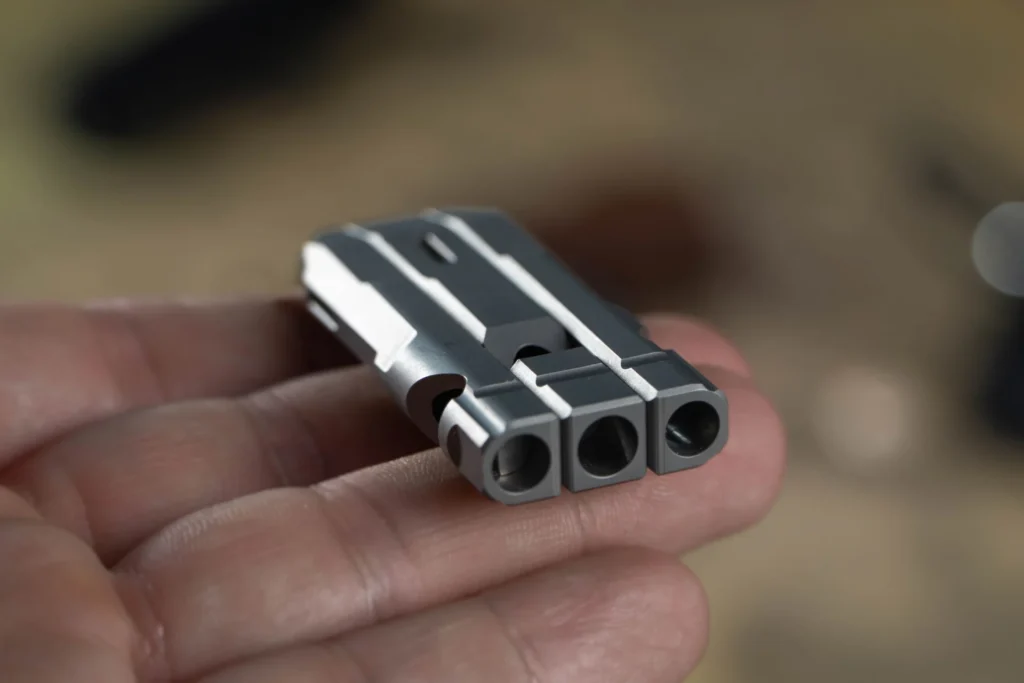
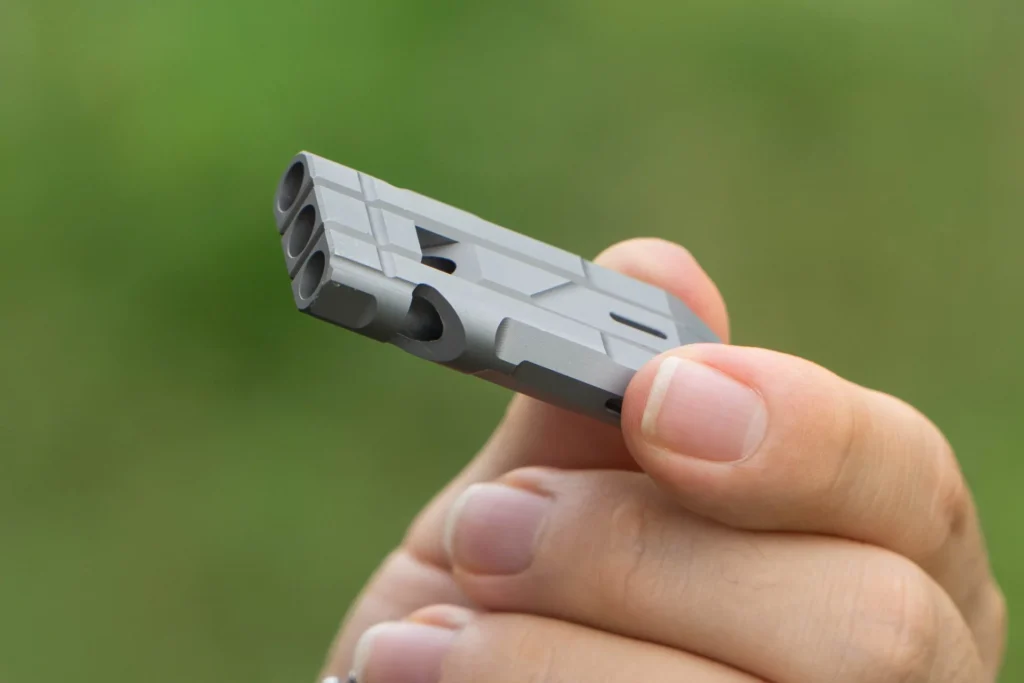
The TriReso structure is made up of three distinct chambers, each with a specific acoustic function. The Alert Chamber is aimed at urban or sporting environments, the Power Chamber focuses on long distances and open areas, while the Echo Chamber adds a high-frequency tone for greater distinction.
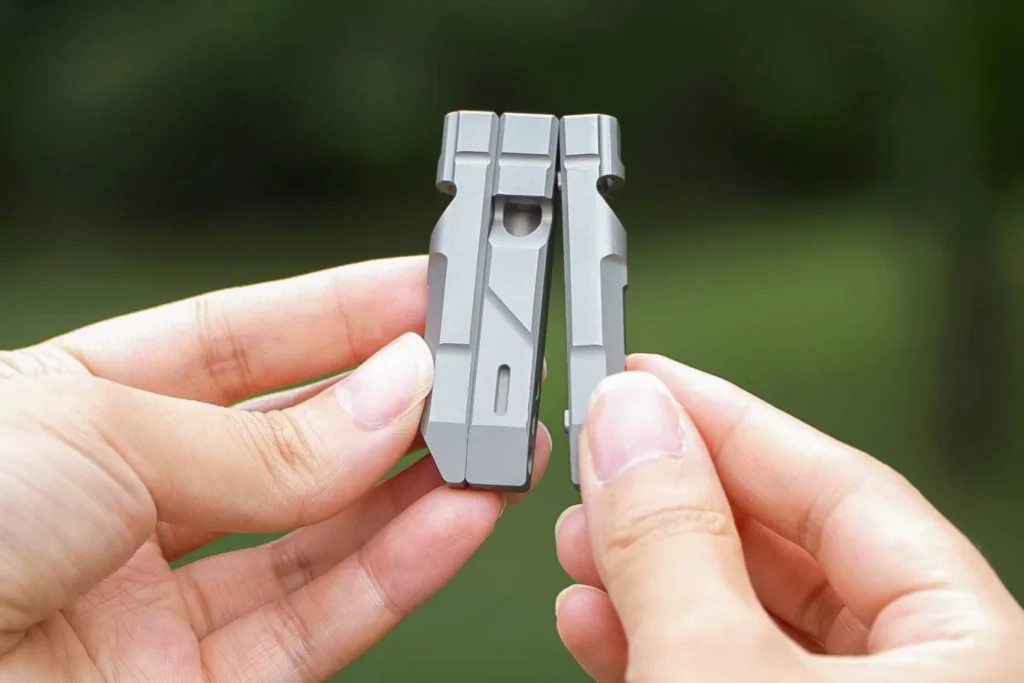
As a EDC tool, the system offers flexibility for groups of hikers. Users can keep the modules magnetically coupled for maximum power or distribute them among team members, ensuring each person carries their own signaling medium.
Resistance and technical specifications
To ensure reliability in the field, the design adopts a design with no moving parts, drastically reducing the risk of failures due to accumulation of dirt, sand or dust. The robustness of the survival equipment It is reinforced by the choice of materials, with titanium or aluminum options, each meeting different weight and durability needs.
The complete set measures just 57 x 27 x 9mm, maintaining a compact profile for everyday carry. Additionally, the design provides slots for installing tritium tubes, which help locate the device in low light conditions, although these components are sold separately.
Implementation considerations
Although TriReso presents an advanced technical proposal for sound signaling, it is essential to understand that its effectiveness is linked to correct use. The device, currently in the crowdfunding phase, still depends on the successful execution of the project to reach the market in October.
It is worth remembering that no equipment replaces training and safety planning on expeditions. The use of this technology should be seen as a complement to best practices for survival and communication in remote areas.
Frequently Asked Questions
TriReso is louder than a traditional whistle The focus is not just volume, but sound complexity. It uses multiple frequencies to make the sound more distinct and easier to locate rather than just raising the decibels.
I can only use one of the cameras Yes, each module works independently and has holes for lanyards, allowing them to be shared between people or used individually.
What are the differences between the titanium and aluminum versions Titanium offers greater durability and resistance, weighing 35 grams, while the aluminum model is lighter, weighing 22 grams.
Also read: Westfalia innovates with Columbus Liner: motorhome luxury in a van.
Source and methodology
This article was prepared based on information published by newatlas.com, on July 15, 2026. See the publicação original: Modular magnetic EDC tool takes a different tack on survival. HTechBD reorganized and contextualized the data for the Brazilian public, without reproducing the source text.
Image: Saleh Bakhshiyev no Pexels.
Continue lendo

TCL Playcube gains AI Gemini to be an entertainment hub
O projetor TCL Playcube agora integra a IA Gemini do Google para oferecer resumos, recomendações personalizadas e criação…
Doubot: The new intelligent system for home fermentation
O Doubot utiliza sensores avançados e um aplicativo dedicado para monitorar a fermentação de pães e massas, prometendo…

Ferrari 849 Testarossa Spider: the 1,000 horsepower convertible
A Ferrari oficializou o 849 Testarossa Spider, um hipercarro híbrido conversível que entrega 1.036 cavalos de potência e…